Advanced Flowmeter Production, Proven in the Field

Quality Control & Calibration Excellence

Our quality and calibration processes are engineered to deliver field-ready flow meters that perform consistently in demanding industrial environments. Every instrument passes through tightly controlled manufacturing, rigorous inspection, and metrologically traceable calibration procedures—ensuring stable, repeatable measurement over years of operation.

Quality Starts With a Disciplined Factory Workflow

Controlled Manufacturing & Inspection Procedures

We implement a structured manufacturing and inspection system that protects measurement integrity from the earliest production stages. Every component—from sensing elements to machined housings—undergoes predefined quality gates to ensure dimensional accuracy, material compliance, and long-term mechanical stability.

Material Screening & Verification

All wetted materials, sensors, and PCBs pass standardized dimensional, hardness, and compatibility checks to ensure compliance with engineering specifications.

Precision Machining Control

Key structural components are processed using controlled machining parameters to maintain geometry, alignment, and sealing reliability across production batches.

In-Process Quality Monitoring

Critical points during assembly and electronics integration are inspected to prevent cumulative tolerance drift and ensure stable long-term performance.

Documented Production Traceability

Each instrument carries full traceability from raw components to final inspection, enabling complete transparency and quality accountability.

Assembly Precision & Functional Testing

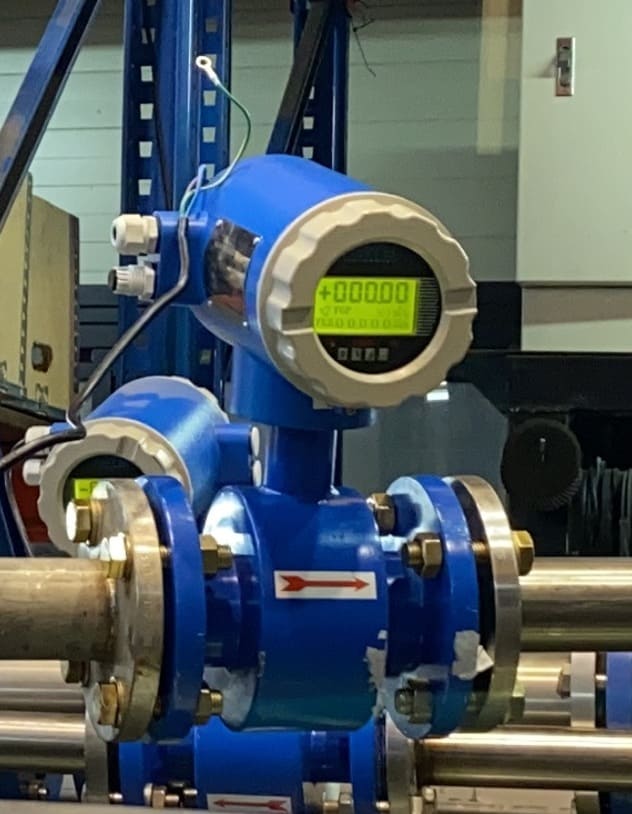
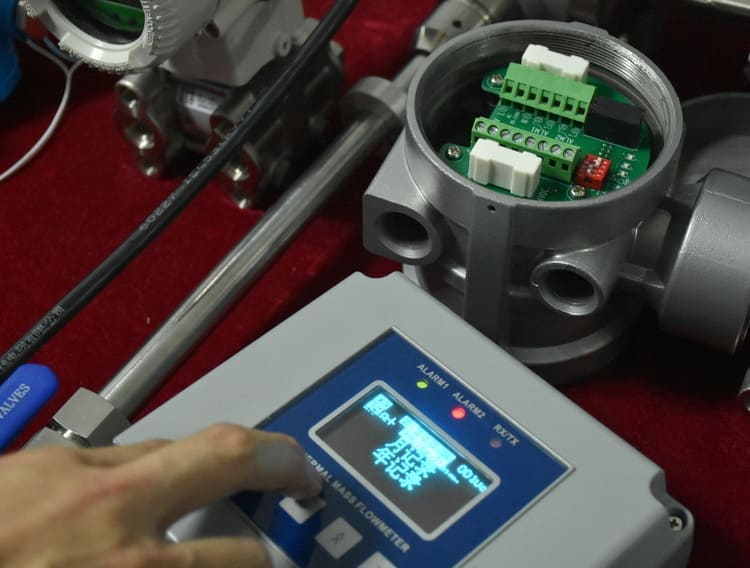
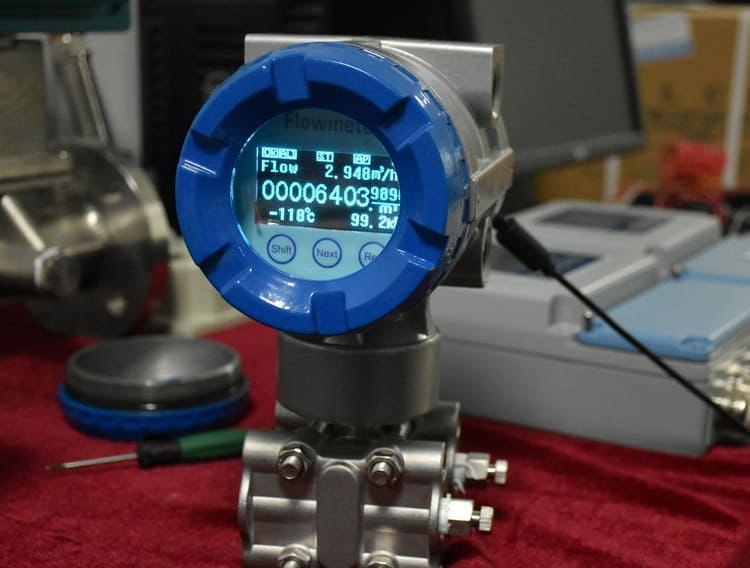
We employ controlled torque systems, sealing verification, and protective electronic integration techniques to minimize noise interference, signal drift, and mounting deviations. Finalized assemblies undergo functional checks that validate core measurement logic before entering calibration.
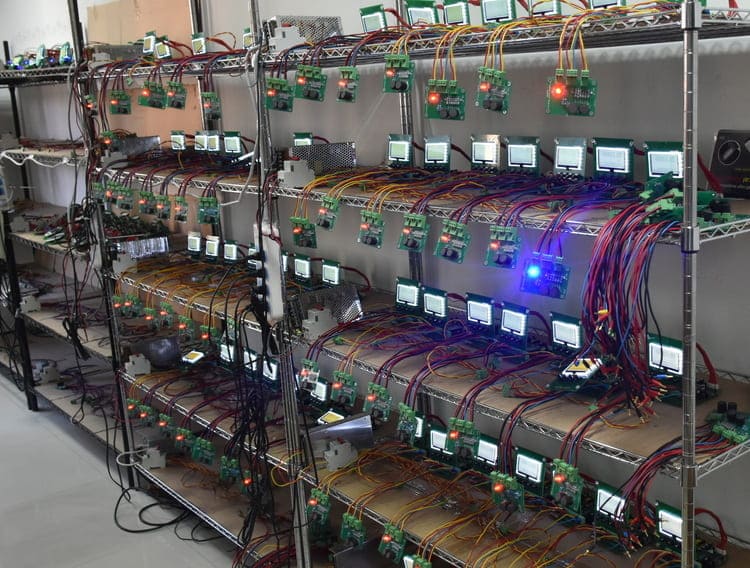
  • Electronics functional testing validates analog/digital outputs, pulse logic, and signal linearity.
  • PCB inspection and burn-in cycles prevent early-life failures and stabilize measurement electronics.

  • Sealing and enclosure integrity testing ensures protection against moisture, vibration, and environmental noise.

  • Firmware integrity checks confirm diagnostic routines, compensation algorithms, and output stability.

  • Assembly Precision & Functional Testing

    Calibration That Guarantees Real Industrial Accuracy

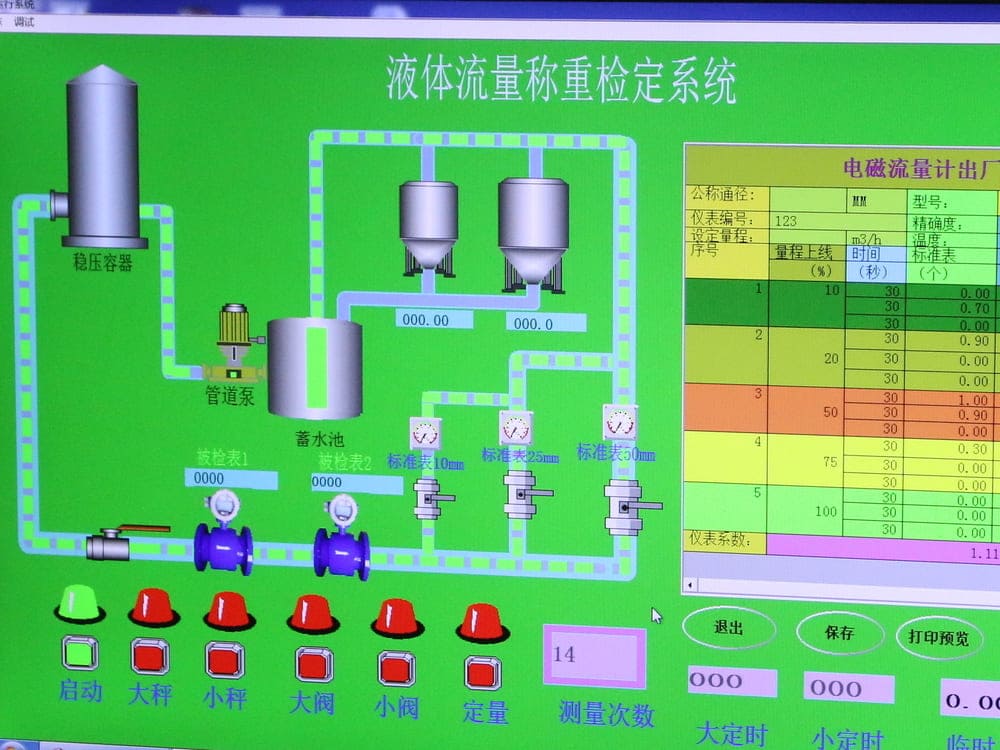
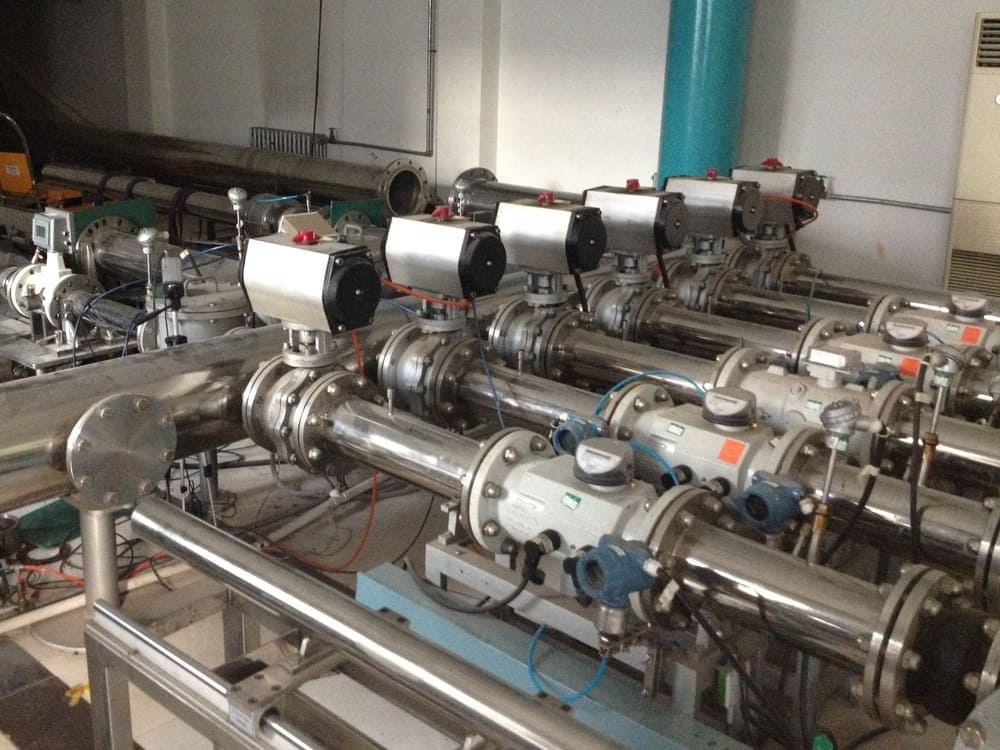
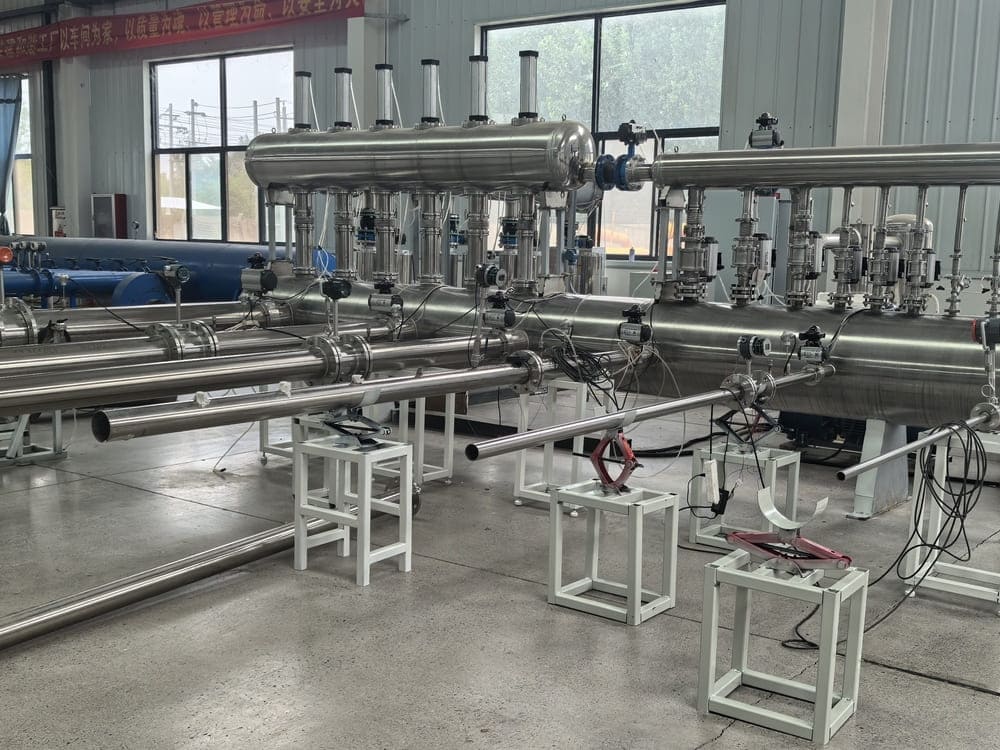
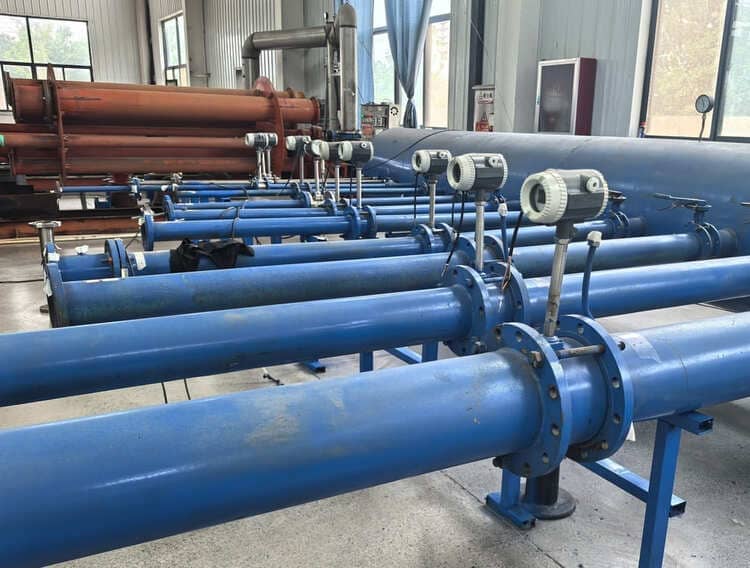
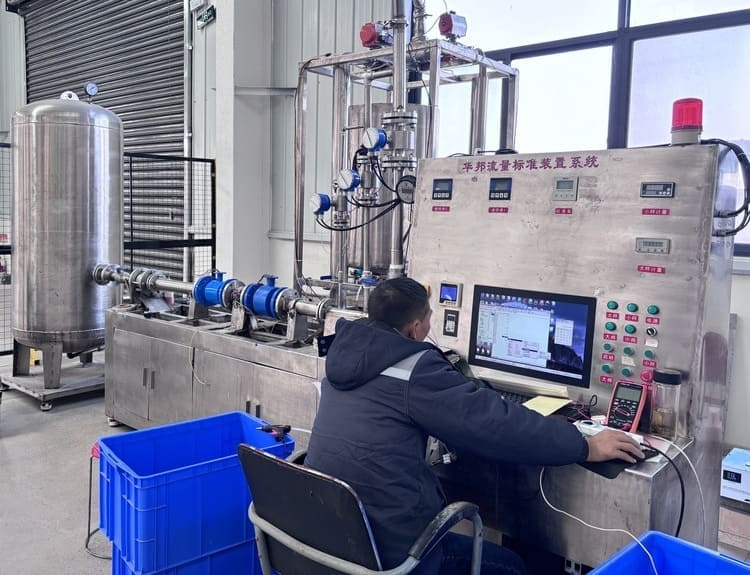
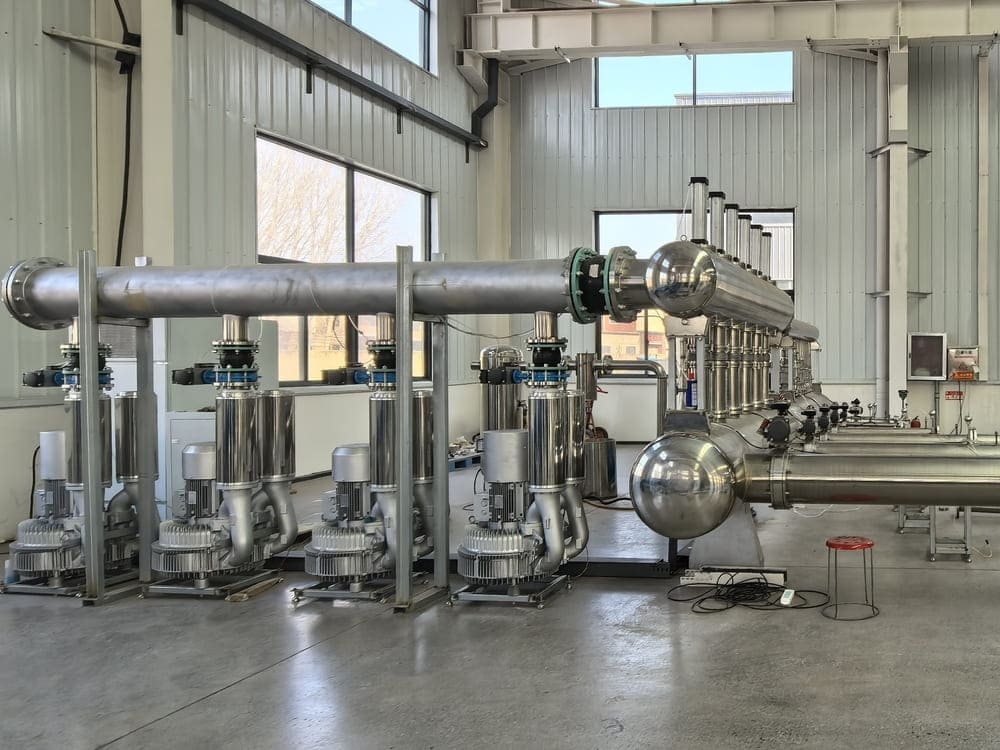
    Precision calibration is the core of reliable flow measurement. Our multi-range flow rigs, reference meters, and calibration software systems ensure each device is tuned to deliver consistent performance across its entire operating range. Every calibration follows documented procedures aligned with international metrology practices, ensuring traceability, accuracy, and repeatability.
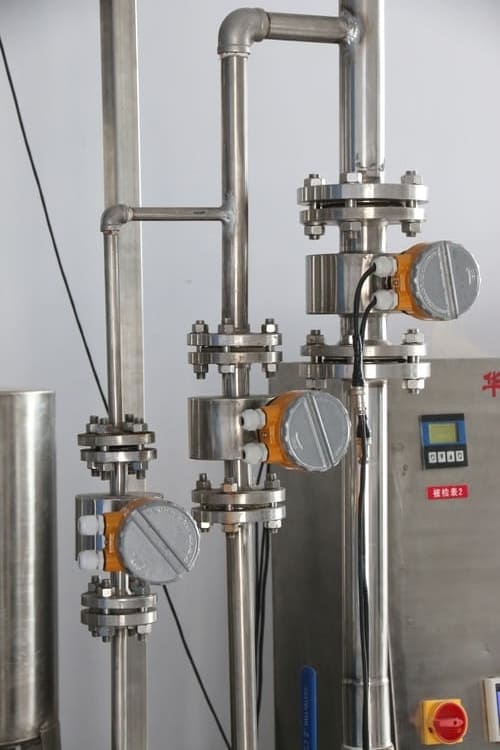
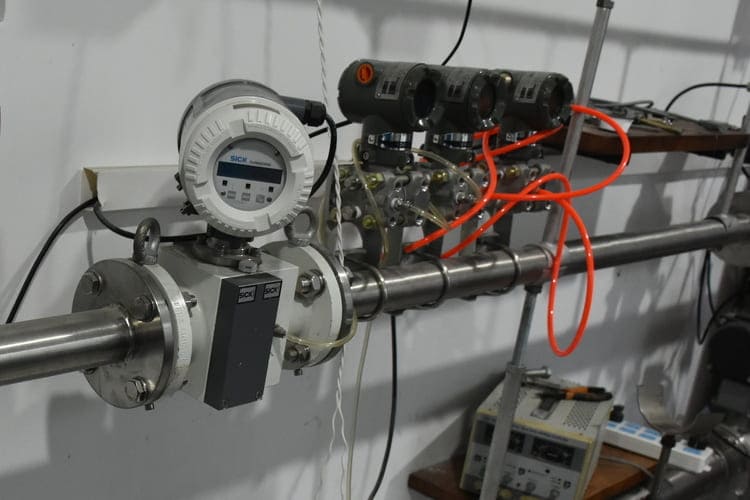
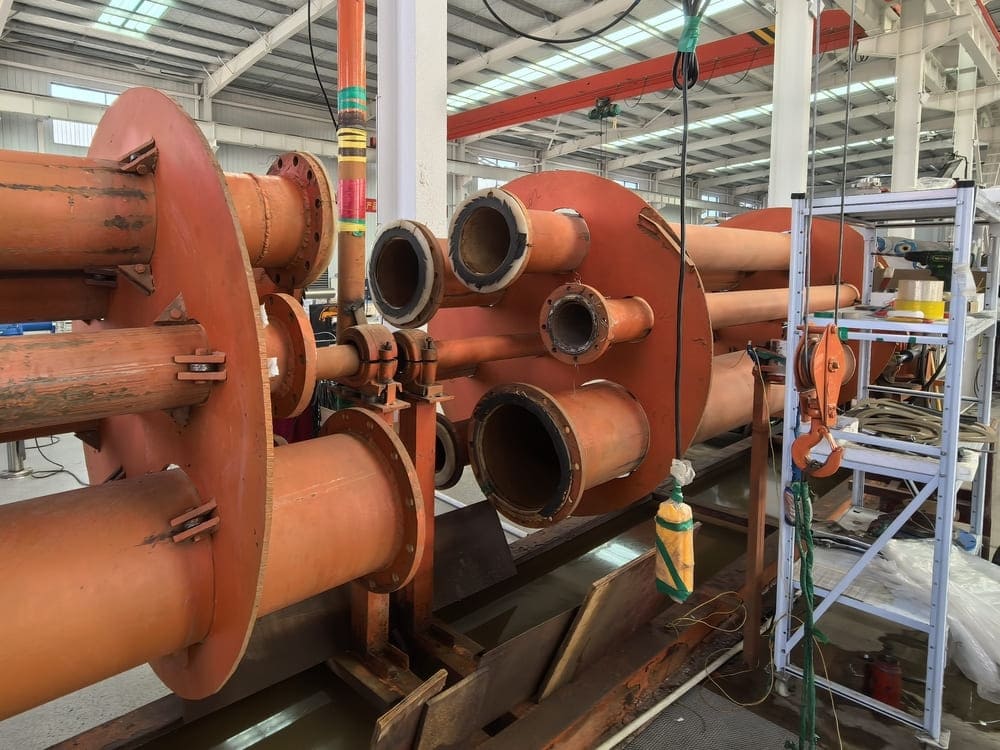
  • Multi-Range Calibration Rigs

    We calibrate across low-, mid-, and high-flow ranges using stable reference systems to ensure full-range accuracy and linearity.

    Traceability to Recognized Standards

    All calibration data is traceable to national or international metrological authorities, ensuring measurement credibility.

    Automated Data Capture & Analysis

    Calibration curves, deviation points, and correction factors are logged automatically to eliminate manual error and ensure data integrity.

    Verification of Repeatability & Drift

    Each meter undergoes repeated flow cycles to validate consistency, detect drift, and ensure long-term stability in field operation.

    Assembly Precision & Functional Testing

    Final Testing With Field Simulation

    Industrial applications impose difficult conditions—temperature fluctuations, unstable flow profiles, vibration, electrical noise, and medium variability. To ensure reliable field performance, each instrument undergoes a combination of environmental, functional, and signal-stability tests that replicate real installations.The final testing stage ensures that our meters perform reliably from the moment they are commissioned.

    • Thermal drift validation under varying temperatures to ensure stable measurement output.

    • Vibration and mechanical stress testing to protect internal sensor alignment.

    • EMI and electrical noise resistance checks to ensure stable signals in complex industrial environments.

    • Output stability verification under simulated flow disturbances and pipeline noise.

    • Long-cycle aging tests to confirm stable electronics and diagnostic function over continuous operation.

    Consult with flowmeter specialist

    Google reCaptcha: Invalid site key.

    Get an Instant Quote

    Google reCaptcha: Invalid site key.